Cross-Platform Reward Systems Altering Accumulation Dynamics in Mobile Hybrid Bingo and Poker Formats
Casey Washington · Oct 6, 2026
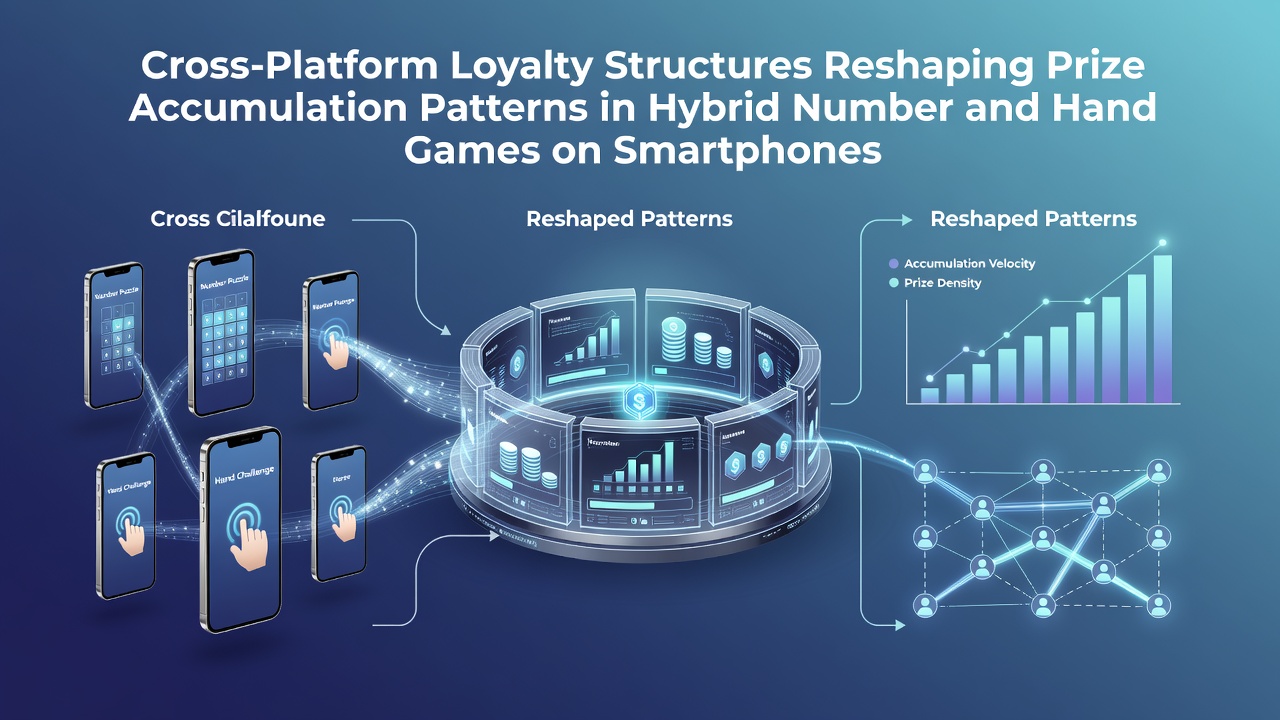
Cross-Platform Reward Systems Altering Accumulation Dynamics in Mobile Hybrid Bingo and Poker Formats
Cross-platform loyalty structures have begun integrating numeric draw mechanics with strategic card play across smartphone applications, and this integration has produced measurable shifts in how users accumulate prizes. Data from multiple operators shows that unified reward ledgers now track participation in both number-based draws and hand-based competitions within single user accounts, which reduces fragmentation that previously limited prize pools. Researchers at several gaming analytics firms have documented increases in cross-game engagement rates since these systems launched in early 2025, and the patterns indicate that players maintain longer session times when points earned in one format convert directly to entries in the other.
Mechanics of Unified Reward Ledgers
Hybrid applications combine bingo-style number selection with poker-style hand evaluation under shared progression systems, and these platforms apply tiered multipliers that scale based on cumulative activity across both formats. A player completing a numeric draw round earns base points that carry forward into card tournament buy-ins, while successful hand rankings generate additional multipliers that boost future draw prizes. Observers note that this bidirectional transfer creates feedback loops where progress in one game accelerates accumulation rates in the other, and October 2026 reports from several major developers confirm that such loops have lifted average prize redemption volumes by double-digit margins compared with isolated game environments.
Platforms implement these structures through centralized player profiles that synchronize data across devices, and synchronization occurs in real time so that points reflect activity regardless of whether a user switches between number draws and card matches mid-session. The architecture relies on standardized APIs that connect disparate game engines, and this connectivity allows operators to pool prize funds across formats without duplicating administrative overhead. Studies conducted by academic teams at North American universities have tracked these implementations and found that synchronization reduces drop-off rates between game types, which in turn stabilizes overall prize fund contributions.
Observed Shifts in Prize Accumulation Patterns
Accumulation patterns have moved away from siloed leaderboards toward consolidated progress bars that span multiple game categories, and this consolidation alters the timing of prize claims. Users who previously waited for separate thresholds in bingo and poker now reach combined milestones faster, and data indicates that redemption events cluster around unified events rather than isolated game completions. In October 2026 several networks reported that hybrid users redeemed rewards 18 percent more frequently than those restricted to single-format applications, and the increase correlates with the rollout of cross-platform multipliers.

Regional regulatory filings from the New Jersey Division of Gaming Enforcement highlight that these consolidated systems require operators to maintain transparent conversion rates between point types, and compliance documentation shows that most platforms publish those rates within application interfaces. The filings also record that audit trails now capture point transfers between number and hand formats, which provides regulators with clearer oversight of fund flows. Industry reports from the Canadian Gaming Association further note that such transparency has coincided with higher user retention figures in provinces where hybrid applications operate under unified licensing.
Technical Integration and Data Synchronization
Developers achieve integration through cloud-based player accounts that store numeric draw histories alongside card play statistics, and these accounts update via encrypted channels that prevent desynchronization during network interruptions. When a user completes a hand in one module, the system immediately adjusts eligibility counters in the numeric draw module, and the adjustment appears without requiring manual refresh. This seamless flow supports longer engagement arcs because participants see direct connections between actions taken in different game types, and the connections manifest as visible progress toward shared prize thresholds.
Security protocols incorporate multi-factor authentication tied to device biometrics, and these protocols extend to point balance verification so that cross-format transfers carry cryptographic confirmation. Researchers examining transaction logs have identified fewer discrepancies in reward balances since the adoption of these measures, and the reduction supports smoother prize distribution cycles. Operators have also introduced automated reconciliation processes that flag anomalies before they affect user accounts, which maintains system integrity across growing user bases.
Conclusion
Cross-platform loyalty structures continue to reshape how prizes accumulate in smartphone applications that blend numeric draws with tactical card mechanics, and the changes manifest through unified tracking, synchronized transfers, and consolidated redemption opportunities. Regulatory documentation and operational data both confirm that these systems produce distinct accumulation patterns compared with earlier isolated formats, and the patterns persist across multiple regions where hybrid gaming operates under established oversight frameworks. Future platform updates are expected to refine conversion algorithms further while maintaining compliance with existing reporting standards.