Secure Transaction Protocols and Payout Cadences in Portable Hybrid Draw-Card Gaming Environments
Mia Krüger · Nov 3, 2026
Secure Transaction Protocols and Payout Cadences in Portable Hybrid Draw-Card Gaming Environments
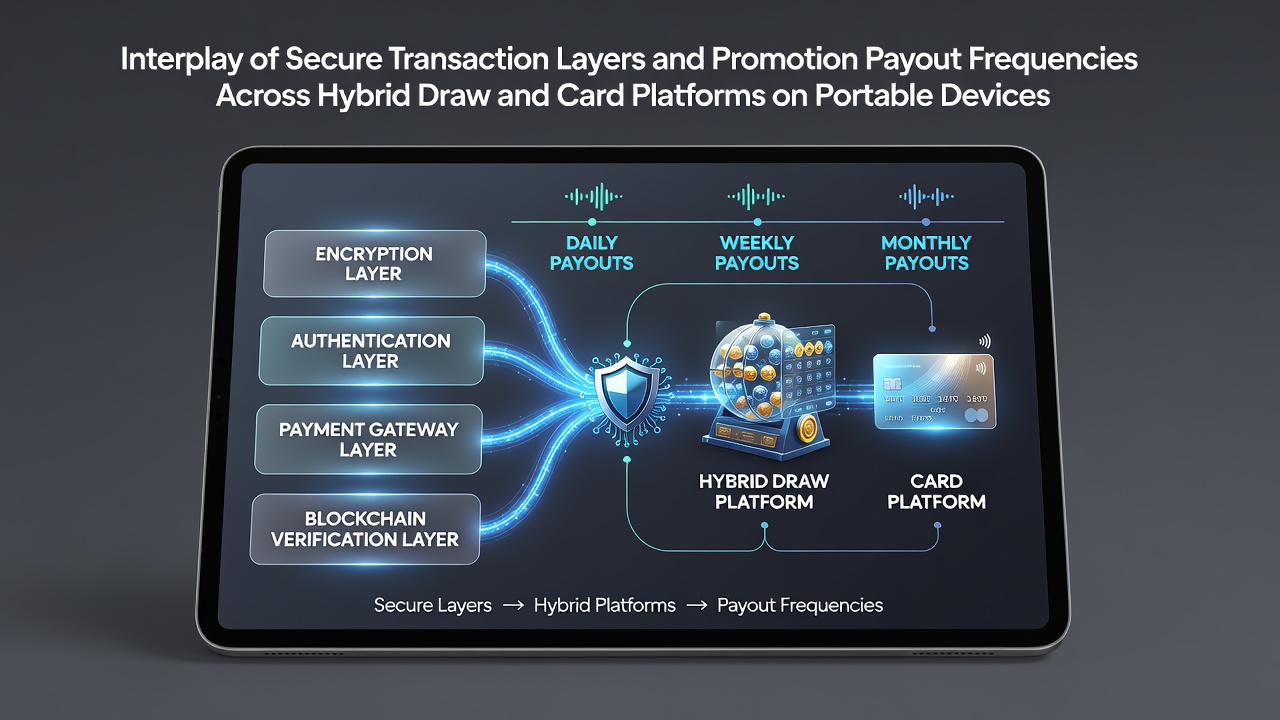
Hybrid platforms that combine numeric draw mechanics with tactical card play on portable devices rely on layered security systems to process deposits, withdrawals, and promotional credits while maintaining consistent payout schedules. Observers note that these layers include end-to-end encryption, tokenization of payment credentials, and real-time fraud detection modules that operate alongside the random number generators governing both draw results and card shuffles. Data from industry reports indicate that such architectures allow operators to adjust promotion payout frequencies without compromising compliance standards across multiple jurisdictions.
Core Components of Secure Transaction Layers
Transaction security in these environments begins with device-level authentication that verifies user identity before any funds move between accounts and game servers. Multi-factor protocols integrate biometric checks with session tokens that expire after short intervals, reducing exposure during extended play sessions on hybrid draw and card titles. Researchers at several academic centers have documented how these measures interact with backend ledgers that log every credit adjustment tied to promotional offers.
Payment method diversity further shapes security overhead, as e-wallets and bank transfers trigger different verification sequences compared with card-based deposits. Figures reveal that platforms handling both bingo-style draws and poker hands often route promotional bonuses through dedicated sub-accounts to isolate them from standard play balances, thereby streamlining audit trails. This separation supports more frequent payout cycles for certain reward tiers while preserving the integrity of larger tournament prize pools.
Payout Frequency Patterns Across Hybrid Titles
Promotion payout frequencies vary according to the underlying game mix, with numeric draw segments typically releasing smaller daily credits and card-based segments offering leaderboard bonuses at weekly or event-driven intervals. Studies found that operators calibrate these cadences to balance player retention metrics against regulatory reserve requirements that mandate sufficient liquidity for all advertised promotions. In November 2026 several platforms introduced synchronized release windows that align bonus distributions with peak usage periods identified through usage analytics.
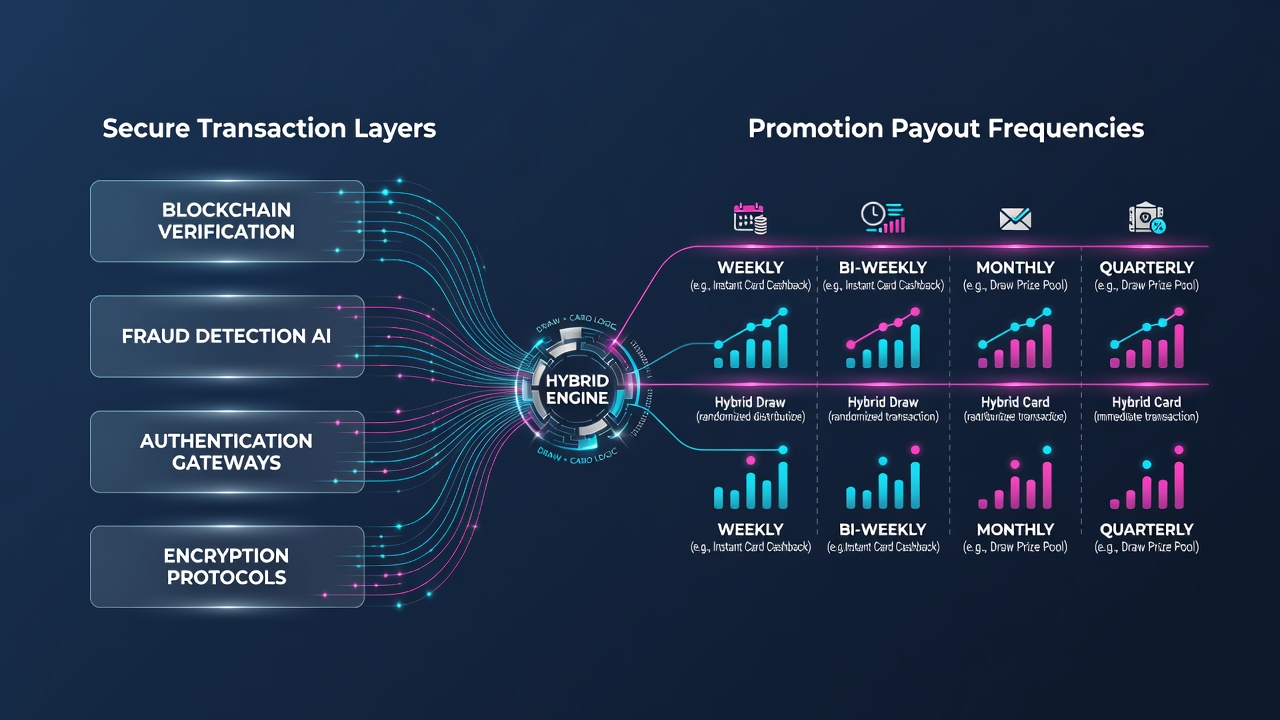
Those who track mobile gaming metrics observe that hybrid systems benefit from unified payout engines capable of handling both draw-triggered jackpots and card-hand rankings within the same transaction queue. Such engines reduce processing latency, which in turn permits operators to increase the number of micro-promotions without elevating risk thresholds. Evidence suggests that security layers incorporating predictive anomaly detection contribute directly to this flexibility by flagging suspicious patterns before they affect scheduled disbursements.
Interplay Between Security Measures and Promotion Timing
The relationship between security protocols and payout timing emerges most clearly when examining how verification delays influence release schedules. Platforms that apply additional scrutiny to high-volume accounts may temporarily defer certain promotional credits, yet automated reconciliation tools often restore the original cadence once clearance completes. According to data released by the Nevada Gaming Control Board, average processing windows for verified mobile transactions have shortened over successive regulatory reporting periods, supporting steadier promotion delivery across hybrid offerings.
Meanwhile, encryption overhead and fraud scoring introduce variable latency that operators offset through pre-authorization buffers. These buffers allow promotional credits to appear in player interfaces almost immediately after qualifying actions, even while final settlement occurs in the background. Research conducted through the Australian Institute of Criminology gaming technology program highlights cases where such buffering preserved advertised payout frequencies despite fluctuating network conditions on portable devices.
Regulatory and Operational Considerations
Jurisdictional requirements shape how transaction layers accommodate differing payout frequency rules, particularly when hybrid platforms serve users across borders. Some authorities mandate minimum intervals between promotional disbursements, while others focus on maximum hold periods for unclaimed credits. Operators respond by embedding configurable timing parameters within their security frameworks, enabling region-specific adjustments without altering core codebases.
Case examples illustrate that platforms maintaining transparent audit logs for every security check and payout event experience fewer compliance interventions. This transparency also supports marketing claims about reward reliability, as external auditors can verify that advertised frequencies align with actual transaction volumes recorded on the system.
Conclusion
Secure transaction layers and promotion payout frequencies continue to co-evolve within mobile environments that blend numeric draws and card mechanics. The integration of encryption, tokenization, and real-time monitoring enables operators to sustain or accelerate payout cadences while meeting regulatory expectations. Continued refinement of these systems will likely determine how hybrid platforms scale reward mechanisms across expanding user bases on portable devices.